AI Database Access Using MCP: Architecture, Security, and Best Practices
AI Database Access Using MCP: Architecture, Security, and Best Practices
AI systems that can query and manage databases directly sound powerful — and they are. But without the right setup, they can also become a serious liability. That’s where the Model Context Protocol (MCP) comes in, giving AI models a structured, controlled way to interact with your data.
This guide is for backend developers, data engineers, and security-conscious architects who are either planning or already working on MCP database access in production environments.
Here’s what we’ll walk through:
- How MCP architecture actually works when connecting AI to databases — not just the theory, but the real moving parts
- The security risks that catch teams off guard in MCP deployments, and what you need to lock down before going live
- Performance and reliability best practices so your AI database integration doesn’t grind to a halt under real workloads
No fluff, no hand-waving. Just a clear breakdown of what you need to build secure, fast, and maintainable MCP-powered database systems.
Understanding MCP and Its Role in AI Database Access
What MCP Is and Why It Matters for AI Systems
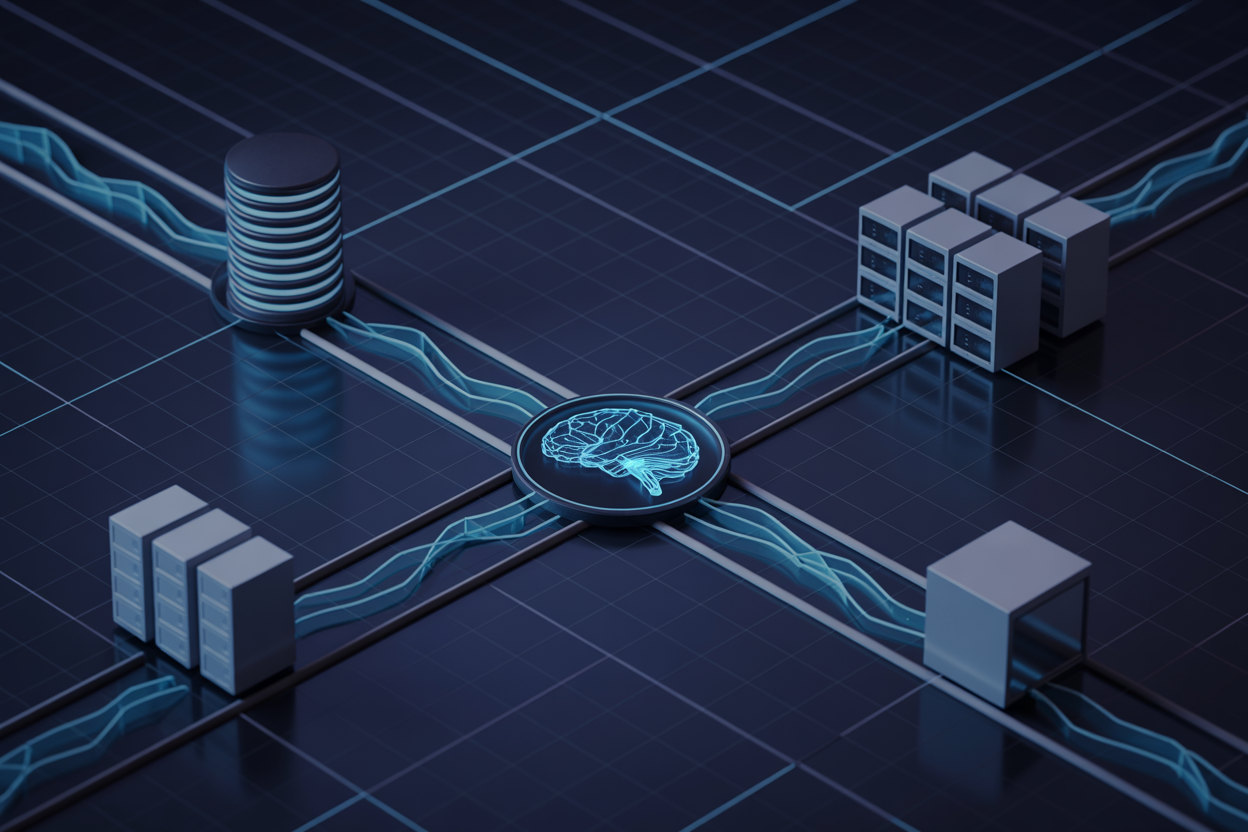
Model Context Protocol (MCP) gives AI models a standardized way to talk to databases, APIs, and tools without custom glue code for every integration. Think of it as a universal translator — AI systems get consistent MCP database access, making AI-powered database management faster to build and far easier to secure.
Core Architecture of MCP-Powered Database Access
How the MCP Client-Server Model Operates
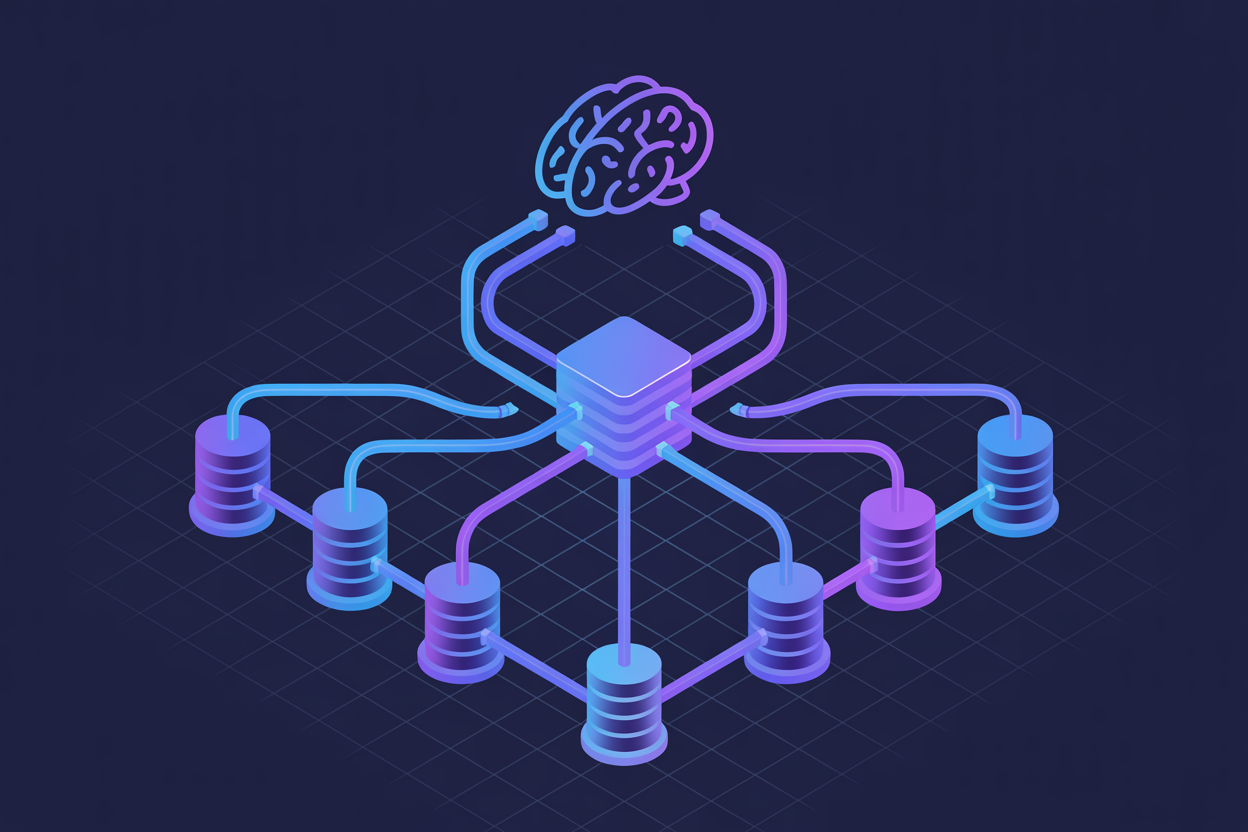
The MCP client-server model connects AI agents to databases through a lightweight protocol layer. AI clients send structured requests to MCP servers, which handle authentication and query execution, then return clean responses. This separation keeps database logic isolated from AI reasoning, making MCP database access both modular and secure.
Security Risks You Must Address in MCP Deployments
Common Attack Vectors Targeting AI Database Connections
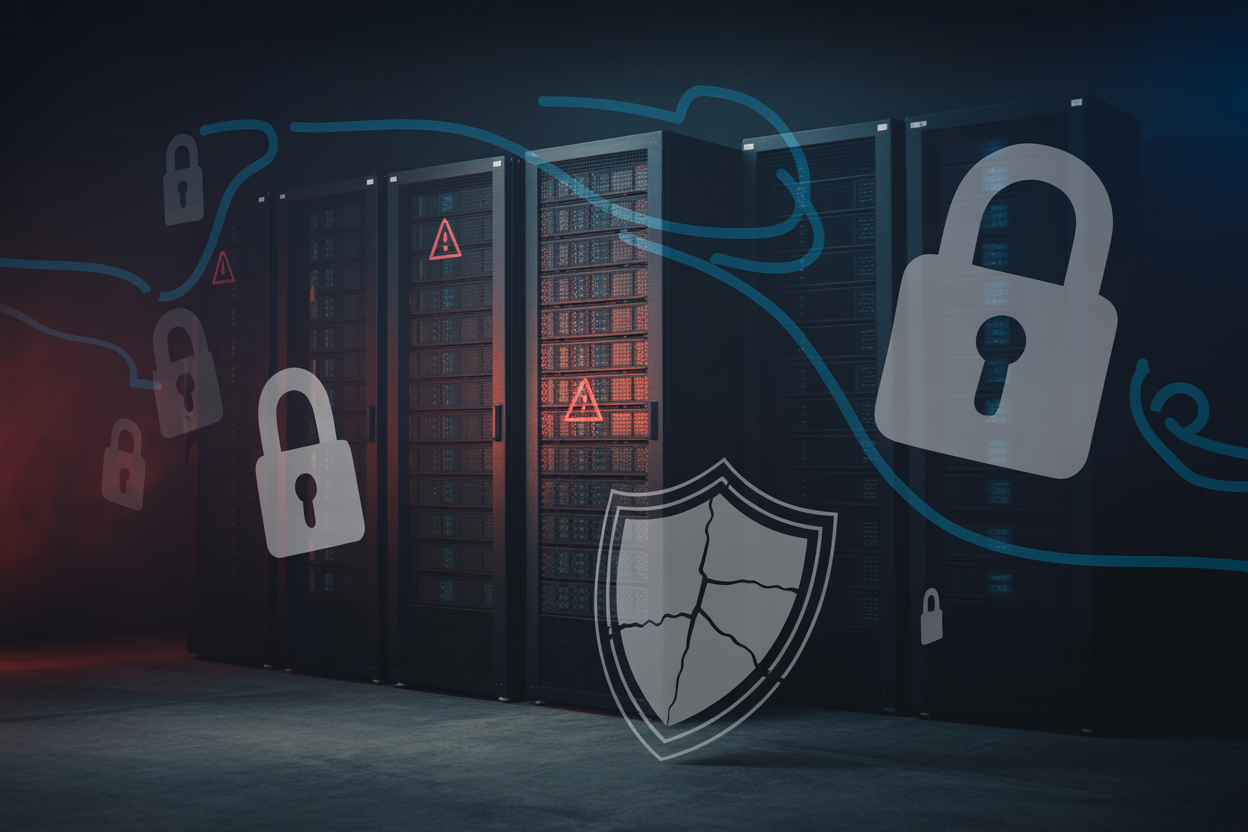
SQL injection, prompt injection, and credential theft top the list. Attackers manipulate AI-generated queries to extract sensitive data or escalate privileges.
Data Exposure Risks from Overprivileged AI Queries
Overly broad database permissions let AI accidentally expose PII or financial records.
Authentication and Authorization Weaknesses
Weak tokens and missing role-based controls create open doors.
Third-Party MCP Integration Threats
Unvetted plugins introduce supply-chain vulnerabilities.
Building a Secure MCP Architecture from the Ground Up

Applying Least Privilege Principles to AI Database Access
Grant AI agents only the permissions they actually need—nothing more. Combine this with TLS encryption, mutual authentication on MCP endpoints, network segmentation isolating sensitive data, and detailed audit logs capturing every AI-initiated query. Together, these layers create a genuinely secure MCP database access architecture.
Performance Optimization for MCP Database Operations

Reducing Latency with Efficient Query Design
Optimize MCP database access by limiting result sets, avoiding SELECT *, and using indexed columns. Pair this with smart caching strategies—Redis works great—to cut repeated database hits. When query volumes spike, horizontal scaling with load-balanced MCP servers keeps AI-powered database management smooth and responsive without bottlenecks crushing performance.
Best Practices for Reliable and Maintainable MCP Deployments

Standardizing MCP Configuration Across Environments
Lock down your MCP database access settings using environment-specific config files, keeping dev, staging, and production cleanly separated. Pair this with automated anomaly detection on AI query patterns, rigorous pre-production testing, and scheduled compliance audits—so your secure MCP deployment stays reliable, current, and audit-ready without constant manual babysitting.

MCP is changing how AI systems interact with databases, but it comes with real responsibilities. From understanding the core architecture to locking down security risks, optimizing performance, and keeping deployments maintainable — every layer matters. Skipping any of these pieces can leave your system exposed or underperforming, which defeats the whole purpose of building with MCP in the first place.
If you’re setting up MCP-powered database access, start with security baked in from day one, not as an afterthought. Follow the best practices, keep your architecture clean, and revisit your setup regularly as your needs grow. The teams that get the most out of MCP are the ones who treat it as an evolving system — not a one-time build.
The post AI Database Access Using MCP: Architecture, Security, and Best Practices first appeared on Business Compass LLC.
from Business Compass LLC https://ift.tt/AbKMqPa
via IFTTT


Comments
Post a Comment