AI in DevOps: Top Tools for Automation, Monitoring, and Collaboration
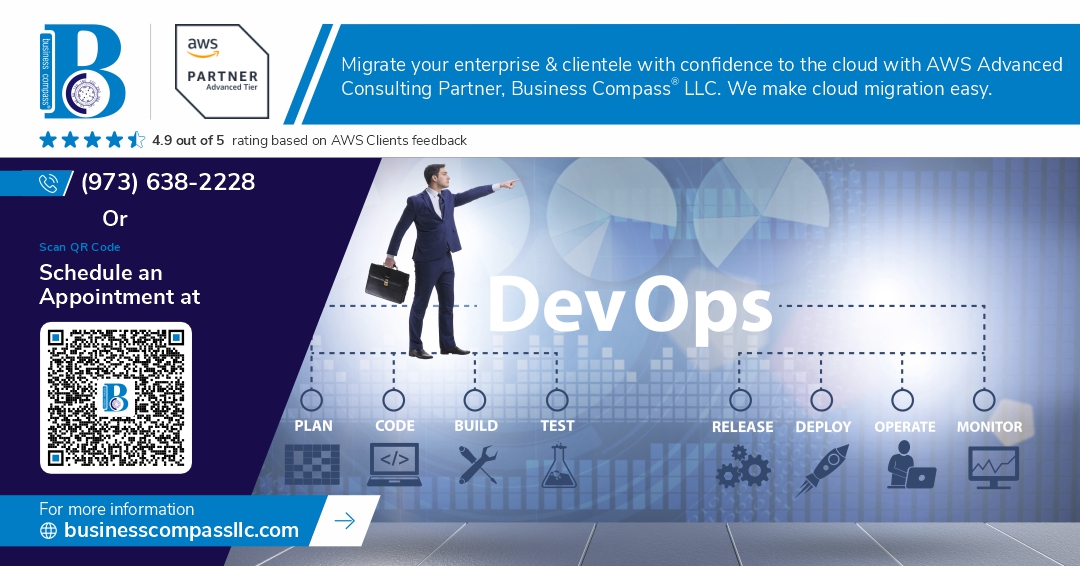
The integration of Artificial Intelligence (AI) into DevOps is transforming how modern engineering teams develop, deploy, and manage software systems. AI in DevOps brings automation, predictive insights, and intelligent collaboration into the DevOps lifecycle, helping organizations achieve faster delivery, reduced downtime, and improved quality.
Why AI in DevOps Matters
Traditional DevOps practices already aim for agility and efficiency, but as systems scale and become more complex, manual processes struggle to keep up. AI addresses this challenge by:
Automating routine tasks like code reviews, infrastructure provisioning, and test execution.
Detecting anomalies in real time to prevent incidents before they escalate.
Enabling intelligent collaboration across tools and teams through contextual insights.
Top AI-Powered Tools for Automation
1. Harness
Harness uses AI/ML to automate Continuous Delivery (CD). Its AI capabilities detect deployment anomalies, optimize canary releases, and minimize the risk of failure during rollouts.
2. Jenkins with AI Plugins
Jenkins, when paired with AI/ML plugins like Jenkins X and DeepCode, brings automation intelligence into pipeline orchestration. These plugins help in analyzing test results, identifying flaky tests, and predicting failures.
3. Ansible with Machine Learning
Red Hat’s Ansible integrates with AI platforms to enhance infrastructure-as-code with predictive provisioning and self-healing scripts based on past execution history.
AI Tools for Monitoring and Observability
4. Datadog AIOps
Datadog leverages machine learning to reduce alert fatigue, detect anomalies, and identify root causes quickly. It correlates metrics, logs, and traces to offer unified observability.
5. Dynatrace Davis AI
Davis is an AI engine within Dynatrace that automatically pinpoints performance bottlenecks, detects abnormal patterns, and provides causation-based analysis, not just correlation.
6. New Relic Applied Intelligence
New Relic’s AI features group related alerts, perform anomaly detection, and offer recommendations for resolution—making operations smarter and more efficient.
Collaboration Tools Enhanced with AI
7. GitHub Copilot
While primarily known as a coding assistant, GitHub Copilot improves DevOps collaboration by suggesting CI/CD pipeline code, scripts, and infrastructure definitions directly within IDEs.
8. Slack with Workflow Builder + AI Bots
Slack bots integrated with AI services (like ChatGPT, AIOps assistants, or ML-driven incident responders) can summarize incidents, create tickets, and trigger alerts based on conversational inputs.
9. Atlassian Opsgenie + AI
Opsgenie, part of Atlassian’s suite, uses machine learning to prioritize incidents, notify the right on-call responders, and suggest knowledge base articles automatically.
The Future of AI in DevOps
AI in DevOps is not just about tools—it’s a shift toward proactive and autonomous operations. Future trends include:
Self-healing systems that automatically remediate issues.
Predictive capacity planning using historical data.
AI-driven decision-making across the SDLC (Software Development Life Cycle).
As AI capabilities evolve, DevOps teams that embrace these innovations will stay ahead in scalability, security, and velocity.


Comments
Post a Comment