AWS ECS Explained: Why It's Still a Top Choice for Container Orchestration
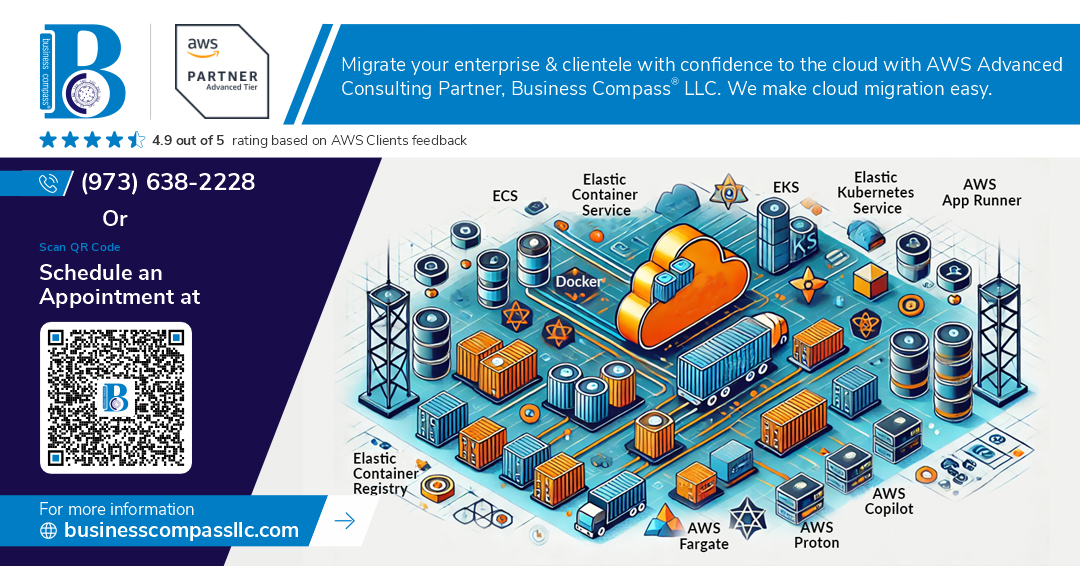
Amazon Elastic Container Service (ECS) remains a powerful, fully managed container orchestration service trusted by startups and enterprises. Despite the growing popularity of Kubernetes (and AWS EKS), ECS continues to thrive due to its simplicity, deep AWS integration, and evolving features.
1. What is Amazon ECS?
Amazon ECS is a container orchestration service designed to run and manage Docker containers on a cluster of virtual machines. Unlike Kubernetes, ECS abstracts much of the orchestration complexity, making it easier to deploy, scale, and manage containerized applications.
You can choose to run ECS workloads on:
EC2 (Amazon Elastic Compute Cloud): Offers complete control over the infrastructure.
Fargate: A serverless compute engine that eliminates the need to provision or manage servers.
2. Key Advantages of AWS ECS
a. Deep AWS Integration
ECS integrates natively with key AWS services:
IAM (Identity and Access Management)
CloudWatch
Elastic Load Balancing (ELB)
Amazon ECR
Secrets Manager & Parameter Store
This tight integration simplifies operations and accelerates development cycles compared to third-party orchestrators.
b. Simplicity and Low Operational Overhead
ECS abstracts much of the complexity of managing orchestration layers like Kubernetes. Developers can define services using JSON or YAML task definitions and focus on their application logic without worrying about installing or maintaining control planes.
c. Fargate: The Serverless Edge
Fargate support gives ECS a significant advantage. With Fargate:
No need to manage EC2 instances or clusters.
Automatic right-sizing of compute.
Pay-per-use pricing model (per vCPU and memory).
This enables teams to deploy microservices with minimal DevOps overhead.
d. Cost Efficiency and Predictability
ECS on EC2 gives complete cost visibility and control. For organizations with reserved or spot instances, ECS can help optimize cost further.
Fargate, while slightly more expensive per unit, offers operational savings by removing cluster maintenance costs.
3. ECS vs. EKS: Why Some Still Prefer ECS
For teams deeply invested in AWS and needing speed-to-deployment, ECS remains a perfect fit.
4. Common Use Cases of ECS
Microservices Architectures
Batch Processing
API Hosting
Event-Driven Workflows
5. ECS Ecosystem Continues to Evolve
Recent ECS updates make it more appealing:
Capacity Providers
ECS Anywhere
Blue/Green Deployments with CodeDeploy
Service Connect via AWS Cloud Map
These improvements ensure ECS keeps pace with evolving cloud-native needs.
6. Conclusion: Why ECS Still Shines
ECS remains a top container orchestration option for many reasons:
Simplicity over feature-bloat.
Tight integration with the AWS ecosystem.
Flexibility via Fargate or EC2.
Cost-effective and operationally lean.
While Kubernetes grabs headlines, ECS delivers value quietly and reliably, especially for teams looking for quick deployment, minimal overhead, and AWS-native harmony.


Comments
Post a Comment